
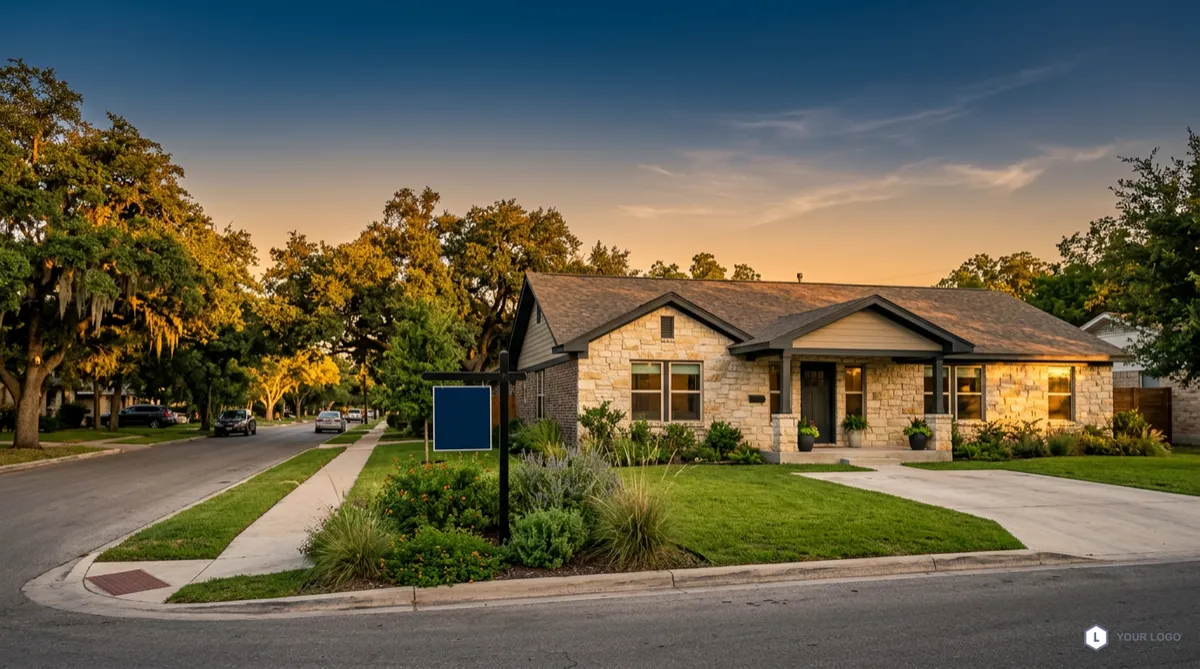
Transactional Funding in San Antonio: How to Double Close Without Using Your Own Cash
Picture this: you've got a killer wholesale deal under contract in San Antonio. The seller is motivated, the numbers are fat, and your end buyer is ready to go. Then your title rep says the magic words: "Okay, so how are you funding the A-to-B?" And you realize you've got $300 in checking and a lot of confidence.
We've seen that exact moment play out more times than we can count, and it's the reason transactional funding exists. In this post we're breaking down how it works, what it really costs, and how to use it in Texas without getting burned. Grab a coffee. This one's practical.

What transactional funding actually is
Transactional funding is very short-term money that covers the purchase side of a back-to-back deal. You buy a property from the seller (we'll call that Close 1), and then you sell it to your end buyer (Close 2), usually the same day, sometimes within hours. The end buyer's money at Close 2 pays back the transactional lender, and whatever is left over is your spread.
That's it. No credit pulls on a long-term loan, no appraisal, no 30-year anything. The loan lives for a few hours, maybe a day or two, and then it's gone. Because the lender is mostly underwriting your deal and your end buyer (not you), you can get funded without having six figures sitting in the bank.
It's not magic, and it's not for everyone. But for wholesalers who are building momentum, it's one of the cleanest tools we know of.
How a double close works, step by step
A double close is two separate closings stacked on top of each other. Here's the flow:
- You sign a purchase contract with the seller (A) and a separate sale contract with your end buyer (C).
- You send both contracts to a title company that handles double closes. This part matters, and we'll come back to it.
- The transactional lender wires funds to title for the A-to-B closing. You officially own the property for a moment.
- The B-to-C closing happens right after. Your end buyer's funds come in, the lender is repaid with their fee, and the title company wires you what's left.

The big win here is privacy and clarity. The seller doesn't see what your end buyer is paying, and the end buyer doesn't see what you paid. Each closing stands on its own paperwork. That's different from an assignment, where you're selling your contract position and your fee shows up on the settlement statement for everyone to see.
Double close vs. assignment: pick the right tool
Assignments are simpler and cheaper, and plenty of deals should just be assigned. If your fee is modest and nobody's going to blink at it, assign it and move on. We're not here to talk you into a more expensive tool than you need.
A double close earns its keep when:
- Your spread is big enough that you don't want it front and center on the settlement statement.
- Your contract has an assignment restriction or your seller is sensitive about it.
- Your end buyer's lender or title company won't accept an assignment.
- You want the cleaner paper trail of owning the property, even briefly.
And that's the moment transactional funding steps in. If you don't have the cash to buy at Close 1, you borrow it for a few hours.

What it costs (and what to ask about)
Let's talk money, because nobody likes a mystery fee. Pricing varies by lender and by deal, but here's how it typically shows up:
- A percentage of the funded amount. In our experience, a range of roughly 1% to 3% is common for a deal this short, sometimes with a flat minimum.
- Flat fees. Some lenders charge a set fee per transaction instead of a percentage, or add a small processing or wire fee.
- Title and closing costs. Because you're closing twice, you may pay for two sets of closing costs. Ask your title company to quote both sides up front.
Here's the question we want you asking every lender: "What is my total cost if both closings happen on the same day, and what changes if the second one slips?" A good lender answers that without squirming. If the answer gets fuzzy, that's information.
One more thing. Run the math with the fee baked in before you sign your contracts. A $10,000 spread can quickly turn into a $5,000 lesson if you forgot to count the second closing.
Texas-specific stuff you shouldn't skip
We're a San Antonio shop, so let's be real about Texas. First, make sure you're working with a title company that does double closes all the time, not one that's going to hesitate or ask you to explain it for twenty minutes. Some title companies and underwriters are comfortable with same-day back-to-back closings, and some simply aren't. Call ahead.
Second, wholesaling is regulated in Texas. There are written disclosure requirements when you're marketing a property you only have under contract, and they apply no matter how you structure the exit. We're financing people, not attorneys, so please run your process by a Texas real estate attorney and keep your disclosures squeaky clean. It's cheap insurance, and it keeps your business around for the long haul.
Third, be honest with everyone. Seller, buyer, lender, title: nobody should be surprised by what your role is in the deal. The investors we see last in this business are the ones who are boringly transparent.

Three things to lock down before you double close
1. The right title company. Ask them directly: "Have you closed A-to-B and B-to-C on the same day, and how do you handle the funding?" You want a confident yes, plus a clear timeline.
2. A written funding commitment. Don't sign your purchase contract on the hope that funding will come together. Get the terms, fee, and wire timing in writing from your lender first. Your earnest money and your reputation are both on the line.
3. Proof your end buyer can actually close. This is the one people skip. Your transactional lender is counting on Close 2 to get paid back, so the end buyer's proof of funds (or their own lender's approval) needs to be solid. A flaky end buyer is the number one way a clean deal turns into a very long week.
A quick example, with real math
Numbers make this click, so here's an illustrative one. Say you contract a house with a seller at $180,000 and you've got an end buyer at $200,000. That's a $20,000 gross spread. Take out an example transactional funding fee of $3,600 and about $1,900 in combined closing costs, and you walk with roughly $14,500.

To be clear, that's an example, not a promise. Your fee, closing costs, and net will depend on your deal and your lender. But look at what happened: you didn't use your own cash, you took on almost no holding risk, and you still netted real money. That's the whole appeal.
Mistakes we see over and over
- Treating funding as an afterthought. Line it up before the contract goes out, not after the inspection period starts ticking.
- Skipping the numbers on thin deals. If your spread is small, the fee and second closing can eat it alive. Assign it instead.
- Not telling the lender the truth about the end buyer. If your buyer is shaky, say so. We can plan around problems we know about, not the ones we find out about at 4 p.m. on closing day.
- Waiting too long between closings. The shorter the gap, the cheaper and cleaner it is. Plan for same day.
- Going it alone. A solid title rep, a good attorney, and a funding partner who picks up the phone are worth every penny.
Is transactional funding right for your next deal?
Quick gut check. It's probably a great fit if you've got a signed contract, a vetted end buyer, a healthy spread, and a title company that's done this before. It's probably not a fit if you're still hunting for a buyer, your margin is paper-thin, or you can't explain the deal in two sentences.
When it is a fit, it can turn "I can't afford this one" into "I closed it Tuesday." That's how a lot of investors grow from a few deals a year into a real business, and later graduate into fix-and-flips, rentals, and bigger projects with long-term capital behind them.
That's what we love doing. We're Michelle and Vin, the money couple, and we help San Antonio investors line up the right financing for the deal in front of them. If you've got a contract and a funding question, reach out and tell us about it. Even if it's not a match for us, we'll tell you straight, and point you in a better direction. 💚