
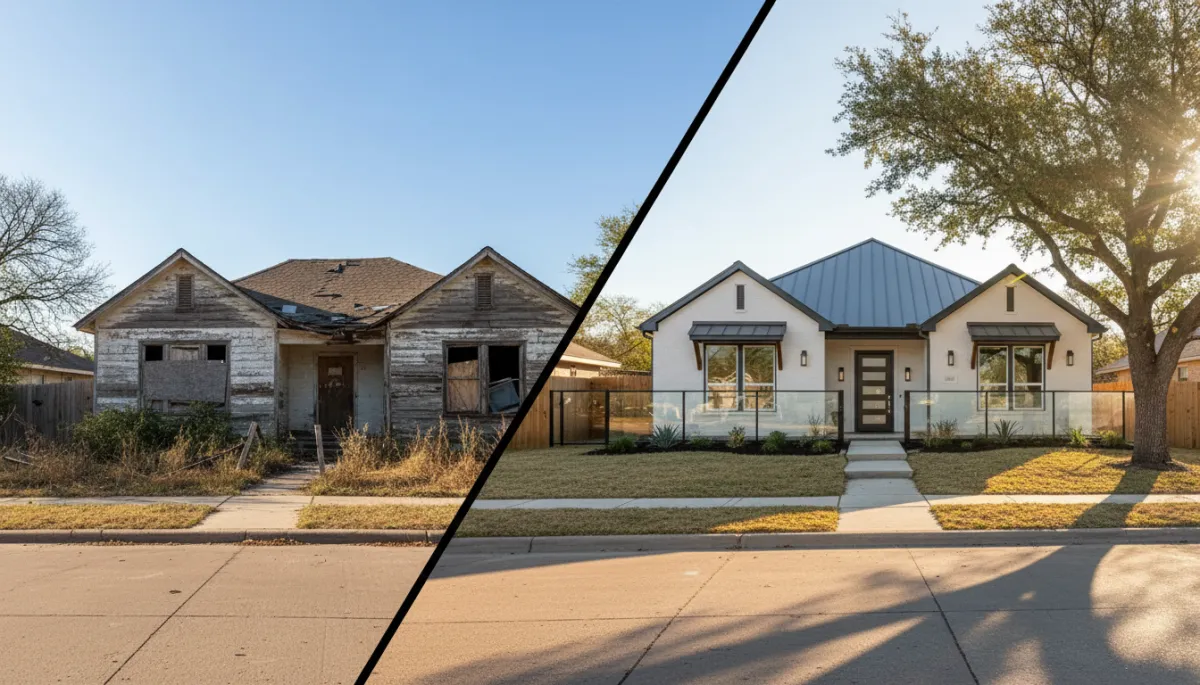
Fix-and-Flip Loans in Texas: What Lenders Actually Look At (And How Investors Get Approved Fast)
Real Estate Investing, Fix-and-Flip Loans, Texas Hard Money, Rehab Financing
Fix-and-Flip Loans in Texas: What Lenders Actually Look At (And How Investors Get Approved Fast)
No W2? No problem. We’re Michelle & Vin in San Antonio, and we’re pulling back the curtain on how fix-and-flip loans in Texas really work — what lenders actually care about, and how smart investors get to the closing table fast.
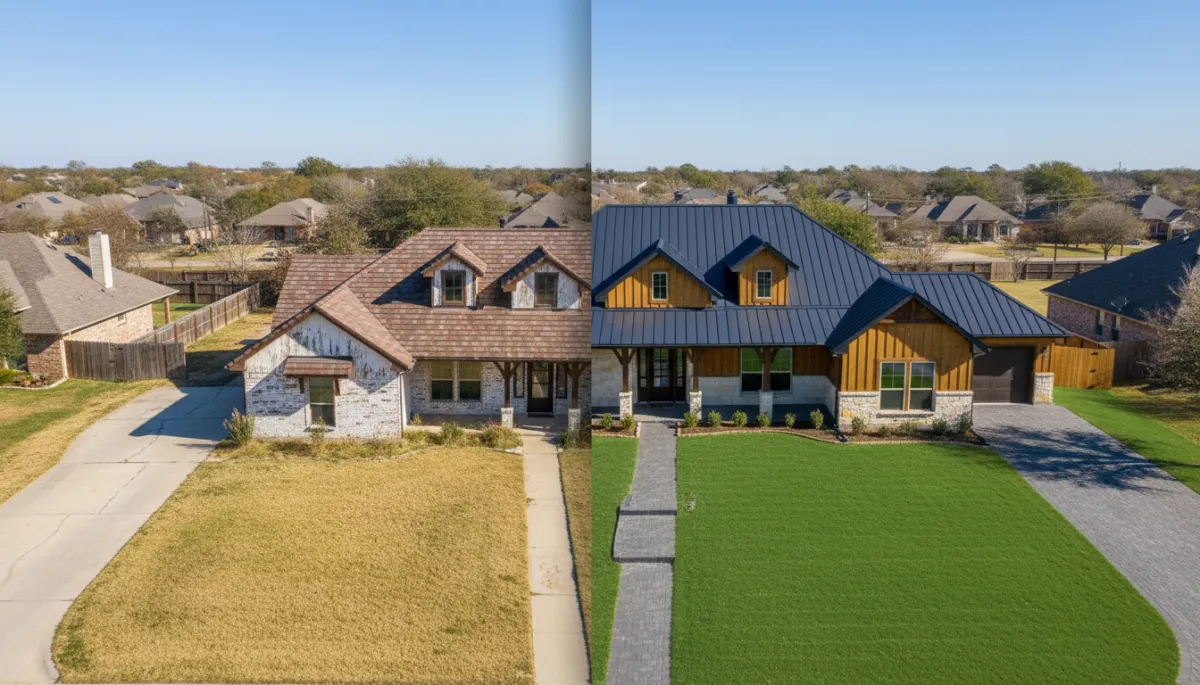
When the Bank Says “No” but the Deal Is Too Good to Walk Away From
Picture this: you find a tired little house on the Northeast side of San Antonio. The ARV is clearly there, the numbers pencil, and your contractor is already texting you ideas for the kitchen. Then your conventional lender takes one look at the property (and maybe your tax returns) and hits you with the dreaded line: “We can’t finance this.”
Maybe the home needs too much work. Maybe your debt-to-income is “too high” on paper because you’re self-employed. Or maybe you just wrote off every legal expense you could last year (we see you, smart business owner) and your W2s and tax returns don’t tell the full story of your actual cash flow.
That’s the moment most new investors think the deal is dead. But for Texas real estate investors, especially here in San Antonio, this is exactly where fix-and-flip loans — also called rehab loans or hard money loans — step in and save the day. Many of these programs offer fix and flip loans in Texas with no income verification, because they’re underwritten based on the deal, not your W2.
In this guide, we’re going to walk you through exactly how to qualify for a fix-and-flip loan in Texas, what lenders actually care about, and how our San Antonio investors are closing quickly — even in a high-rate, competitive market.
What Is a Fix-and-Flip Loan, Really?
A fix-and-flip loan is a short-term, asset-based loan designed specifically for buying, renovating, and reselling (or refinancing) an investment property. Think of it as a project loan, not a 30-year home loan you live in forever. Terms usually run 6–18 months, with interest-only payments and rehab money built into the loan, released in draws as work is completed (Texas norms in 2026 line up with this structure, according to multiple lenders such as Buckle Up Capital and Catalyst FDG.).
Contrast that with a conventional mortgage: banks care about your personal income, debt-to-income ratio, employment history, and the property’s current condition. If the home needs major work, or your tax returns don’t look pretty, the bank taps out. Fix-and-flip lenders, on the other hand, are looking at: purchase price, rehab budget, and After-Repair Value (ARV). They’re asking, “If this project goes as planned, is there enough equity and a clear exit?”
What Texas Lenders Actually Look At (Not Just Your W2)

Strong deals with clear numbers and plans matter more than perfect W2 income.
1. ARV: The After-Repair Value Drives Everything
The ARV (After-Repair Value) is what the property should reasonably sell for once the rehab is complete. Texas fix-and-flip lenders will order an appraisal or BPO that includes “as-is” value and ARV based on your scope of work. This number dictates your maximum loan size through LTARV (Loan-to-After-Repair-Value) guidelines.
2. LTARV and LTC: How Much They’ll Actually Lend
Most Texas programs in 2026 are landing around 65–70% of ARV on fix-and-flip loans (Buckle Up Capital, Texas Hard Money, and others are right in this band). That means if your ARV is $300,000, your max loan at 65% LTARV is about $195,000. Some lenders will also look at Loan-to-Cost (LTC) — often up to 80–90% of purchase plus 100% of rehab for experienced investors.
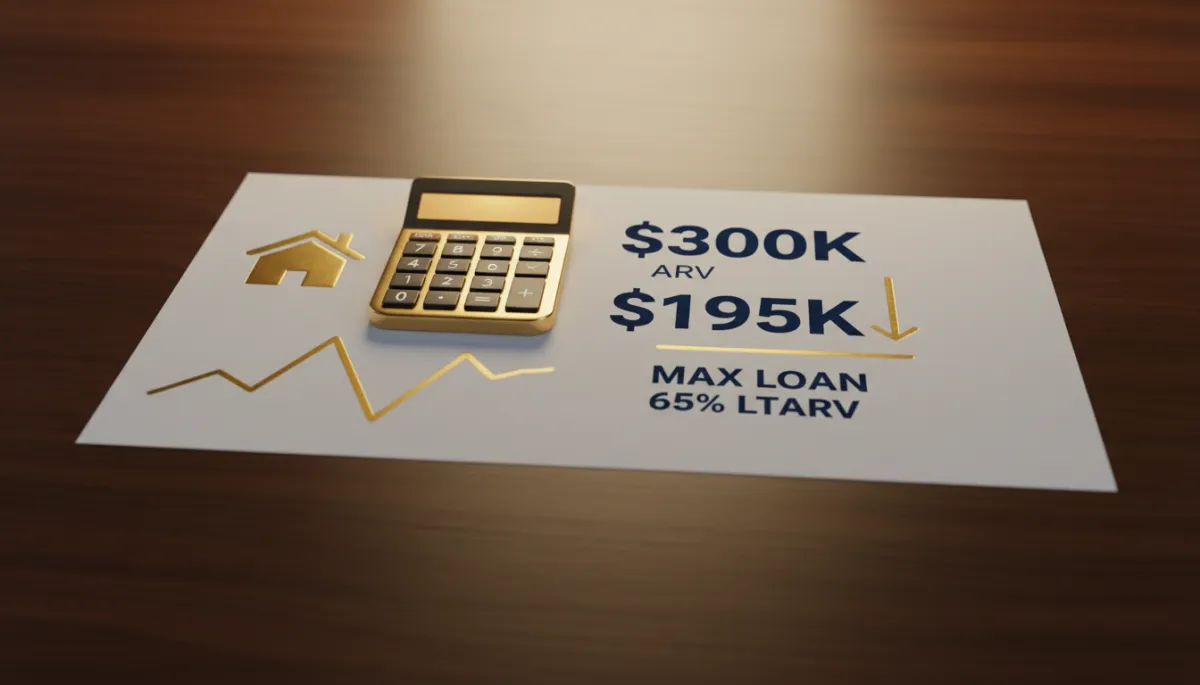
Lenders back your deal to a set percentage of realistic After-Repair Value.
3. The Deal Itself: Purchase, Rehab, and Margin
This is where you win or lose. Lenders want to see:
- A discounted purchase price relative to current condition
- A line-item rehab budget and scope of work (usually signed by your contractor)
- A healthy profit margin after purchase, rehab, holding costs, and selling costs
In other words, if the deal is tight and you’re hoping appreciation will bail you out, most serious Texas hard money lenders will pass. If the deal is strong, they’ll often work with you — even if you’re not a “perfect” borrower on paper.
4. Exit Strategy: Exactly How You’ll Pay Them Back
Every lender wants a clear answer to: “What’s your exit?” That usually means: resell on the retail market or refinance into a long-term rental loan within 6–18 months (typical Texas terms per Catalyst FDG and others). You should be able to show:
- A realistic timeline for rehab and sale/refi
- Comps supporting your ARV
- A sense of your backup plan if days-on-market run longer than expected
5. Experience Helps — But It’s Not a Deal-Killer
Many Texas lenders tier their pricing and leverage based on experience: first-time flippers might get ~80% LTC, while investors with 3+ completed projects can see up to 90% LTC and better rates (316 Capital and several private lenders follow this pattern). But being new doesn’t automatically disqualify you. You can offset inexperience with:
- A strong contractor with a track record
- Extra reserves and conservative numbers
- A clean, well-documented plan from purchase to exit
6. Skin in the Game: Down Payment & Reserves
For most fix and flip loan requirements for Texas investors, expect:
- 10–25% down payment on the purchase price, plus closing costs (316 Capital, Buckle Up Capital)
- 3–6 months of interest reserves in liquid funds after closing
That “skin in the game” tells the lender you’re committed and have cushion if things run long — which is especially important in a high-rate Texas market like we’ve seen through 2025–2026 (Texas A&M housing reports note elevated financing costs statewide).
The 5 Biggest Myths About Fix-and-Flip Loans in Texas
We hear these myths from San Antonio investors all the time. Let’s kill them quickly so they don’t cost you deals.
- “You need perfect credit.” Nope. Many Texas lenders work with credit scores in the 600–620+ range, sometimes even lower. Score mostly affects your rate and leverage, not whether you can get a loan at all.
- “You must have W2 income.” This is the big one. With fix and flip loans in Texas with no income verification, lenders are underwriting the asset and the deal, not your pay stub. Yes, they’ll look at your liquidity and reserves, but they typically don’t require tax returns or W2s like a bank does (STX Lending and other asset-based lenders are explicit about this).
- “Hard money is too expensive.” Rates are higher than conventional, absolutely. But remember: this is short-term capital funding a project that should produce a sizable profit. Paying a few more points for 9–14% money (typical Texas ranges per Catalyst FDG) can be a smart trade if the deal has margin.
- “It takes forever to close.” In reality, many Texas rehab lenders close in 5–14 days once they have your docs and appraisal (Ridge Street Capital and Buckle Up Capital both advertise week-ish closings). That’s often faster than conventional financing, especially on distressed properties.
- “You need a long track record.” Experience helps, but it’s not mandatory. We’ve seen first-time flippers funded all over San Antonio when they had a solid deal, a realistic budget, and a competent contractor. Terms may be slightly tighter, but it’s absolutely doable.
The Fix-and-Flip Loan Process: Step by Step (Texas Edition)
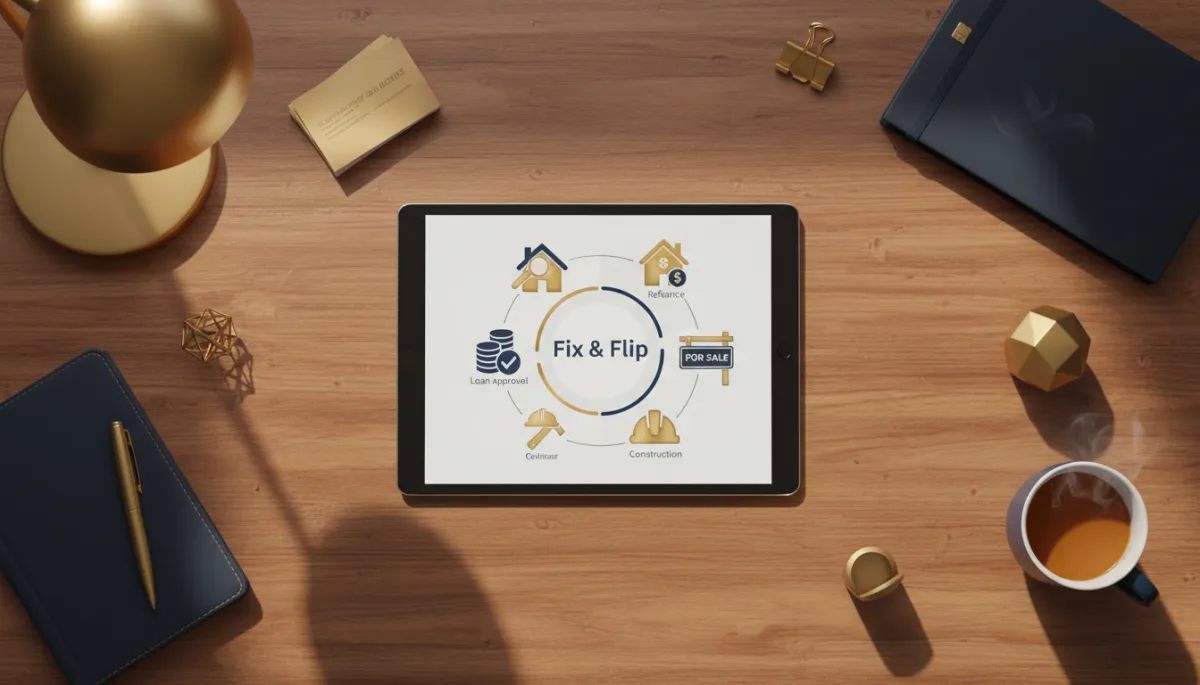
The same repeatable cycle powers most successful Texas fix-and-flip businesses.
- Find the deal. You lock up a distressed property — maybe a probate lead in San Antonio’s Northwest side or a tired rental on the East Side. You run comps and estimate ARV conservatively based on recent sales.
- Build your rehab plan and budget. Work with your contractor to create a line-item scope of work (roof, HVAC, flooring, kitchen, baths, exterior, contingency). This is critical for underwriting and for staying on budget.
- Apply with a Texas fix-and-flip lender. You (or we, on your behalf) submit: purchase contract, rehab budget, entity docs (LLC), bank statements, ID, and your exit strategy. Most rehab loans for San Antonio TX real estate investors are done in an LLC with a personal guaranty.
- Appraisal and underwriting. The lender orders an appraisal/BPO with ARV, reviews your numbers, and confirms they’re within their 65–70% LTARV and LTC guidelines. They’ll also confirm you have the required down payment and reserves.
- Clear title, insurance, and close. Title is checked for liens, you secure builder’s risk insurance naming the lender, and you sign at the title company. Funds for purchase are wired to closing; rehab funds are set aside in a draw account.
- Renovate with draw inspections. As phases of work are completed (demo, rough-in, finishes), you request draws. The lender inspects, then releases funds. This keeps everyone aligned and protects the project budget.
- Exit: sell or refinance. Once the rehab is complete and you’ve hit your ARV, you either: list and sell for a flip profit, or refinance into a long-term rental loan and keep it in your portfolio. Either way, the fix-and-flip lender is paid off and you move on to the next project.
A Real Example from the Texas Market (San Antonio Case Study)
Let’s walk through a composite deal based on real rehab loans we see in San Antonio, TX.
An investor couple finds a 3-bed, 2-bath house on the West Side. It’s dated but structurally sound. Numbers look like this:
- Purchase price: $165,000
- Rehab budget: $55,000 (kitchen, baths, flooring, paint, roof tune-up, landscaping)
- All-in cost: $220,000 (before closing/holding costs)
- Conservative ARV: $310,000 based on recent comps
A local Texas hard money lender agrees to:
- Fund 85% of the purchase = $140,250
- Fund 100% of rehab in draws = $55,000
Total loan amount is $195,250, which is about 63% of ARV — well within the typical LTARV fix-and-flip guidelines for Texas. The investors bring roughly $24,750 plus closing costs to the table, along with a few months of reserves. No W2s are required; the lender verifies their liquidity and reviews their LLC docs and ID.

Fast, asset-based funding lets investors capture strong deals that banks reject.
Six months later, the property sells near list price at $305,000. After paying off the loan, interest, closing costs, and realtor fees, the couple walks away with a healthy five-figure profit — and a stronger track record for their next San Antonio project.
Is a Fix-and-Flip Loan Right for Your Next Texas Deal?
Fix-and-flip financing isn’t magic money — it’s a powerful tool when used on the right deals. Ask yourself:
- Do I have a clear ARV supported by real comps, not wishful thinking?
- Can I bring 10–25% down plus closing costs and a few months of reserves?
- Do I have a contractor and rehab plan I trust and can document?
- Is my exit strategy realistic in a 6–18 month window — sell or refi?
If you’re nodding “yes” to those, a Texas fix-and-flip loan with no income verification could be exactly what lets you scale — especially if you’re a self-employed or full-time investor who doesn’t fit neatly into bank boxes.
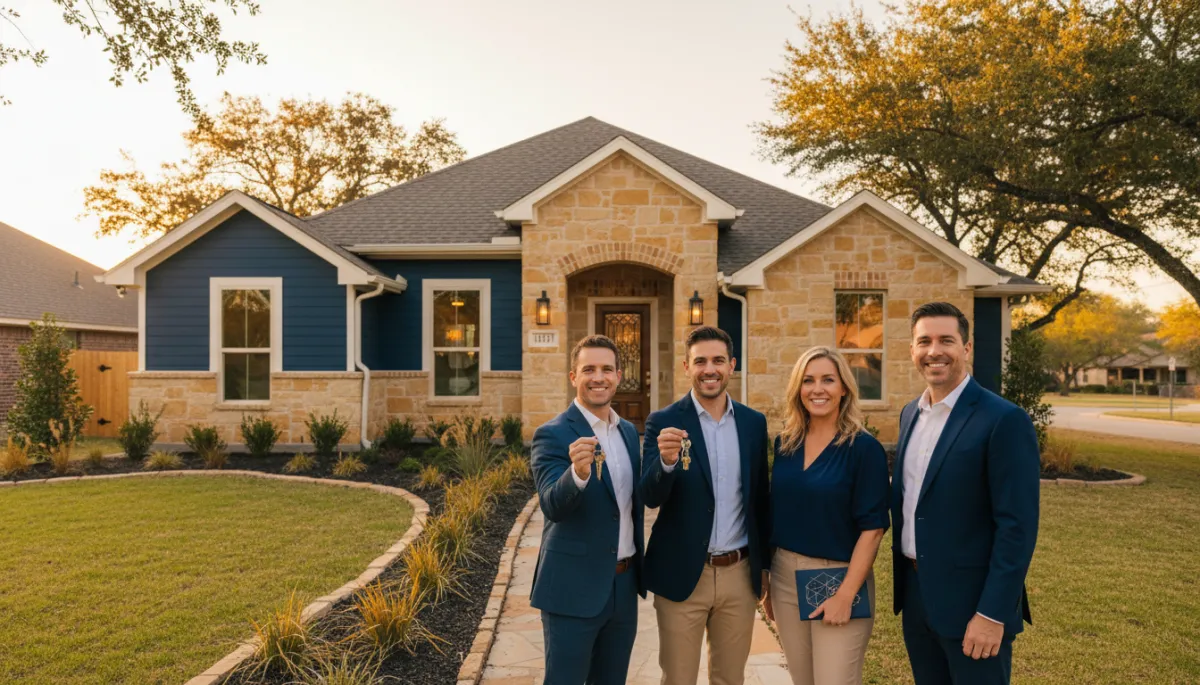
The right rehab financing turns distressed properties into profitable, repeatable projects.
If you’re looking at fix and flip loans in Texas or exploring rehab loans as a San Antonio real estate investor, we’re happy to walk through your numbers, pressure-test your ARV, and match you with lenders who can actually close. Reach out to us — Michelle & Vin — for a quick strategy call or to run your next deal by someone who lives and breathes this market every day.